

11 Marketing Lessons from the TV Series “Kitchenverse”
- VEXA agency

- Apr 18, 2025
- 6 min read
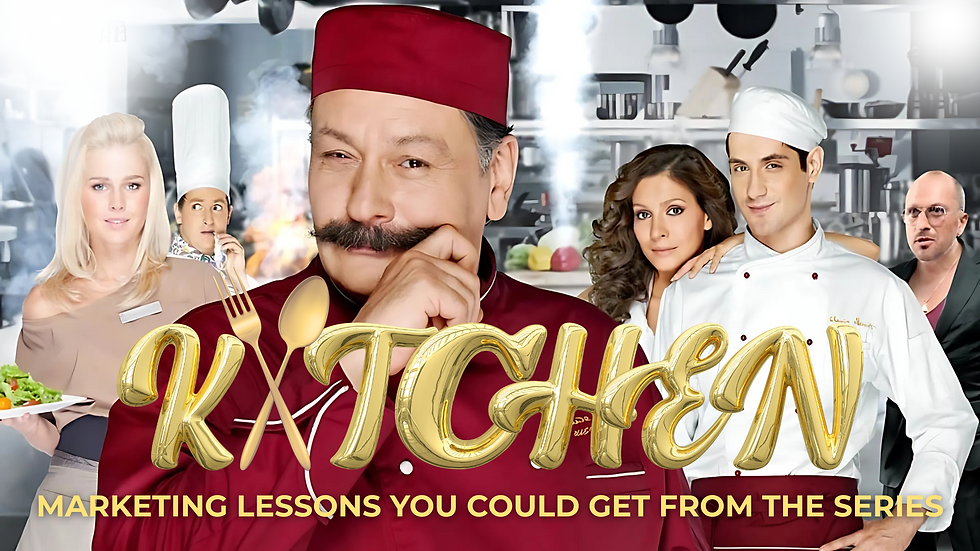
The Russian "Yellow, Black and White" production company created the comedy series "Kitchen" (Kukhnya)—a show that has undoubtedly captured the hearts of audiences. The very first episode aired on October 22, 2012, and since then, the franchise has grown to include four separate series and three full-length films.
The production team crafted their work in a way that truly left a lasting impression—and they marketed it brilliantly, making sure it stayed in our hearts.

"Kitchenverse" – Kukhnya, Hotel Eleon, Grand...
This series is more than just a light-hearted, funny, and cozy set of shows. It offers a rich, multifaceted picture of business life—covering marketing, communication, brand building, customer satisfaction, teamwork, loyalty, and more. That’s why we’re sharing 11 marketing insights you can learn from this iconic franchise.
Brand Consistency

From the very beginning, Claude Monet remained a consistently high-end French restaurant. Even when the series’ central figure—head chef Viktor Barinov was replaced temporarily, the restaurant never lost its signature taste, service quality, or atmosphere. This illustrates the importance of brand consistency: even if management or staff changes, maintaining a recognizable and reliable brand experience creates lasting value. Customers tend to return to brands they trust and recognize.
Example: In Season 4, Claude Monet is sold to a new owner and briefly becomes part of a chain restaurant group. However, the core team fights back and manages to preserve its original identity.
Celebrity and Influencer Endorsement

When celebrities dined at the restaurant, both its status and customer traffic increased noticeably. Whether it was famous actors, businesspeople, or politicians visiting Claude Monet, their presence didn’t just make the evening special — it also attracted more future bookings. Even in real-life businesses, customer testimonials and the support of influencers on social media are powerful tools for attracting new audiences.
Example: In Season 2, Episode 4, Chef Viktor’s former student visits and hosts an open kitchen event, attracting numerous high-profile online influencers. Restaurant director Kristina even says, “This is a huge marketing opportunity for us,” clearly acknowledging the power of social influence. In another scene, the rumor of a famous businessman dining at the restaurant causes crowds to gather outside — a phenomenon not limited to fiction.
Crisis Management

The restaurant team frequently faces unexpected challenges, from kitchen malfunctions to problematic guests—and they often resolve them with quick, clever thinking. The key takeaway from their crisis management approach is this: Prevention is more effective than reaction, but when a problem does arise, it’s critical to address it immediately and transparently.
Whether it’s a delayed delivery, a PR hiccup, or an upset customer, how a brand responds in the moment can protect—or damage—its reputation.
Customer Experience

The restaurant pays attention to every little detail: the presentation, flavor, and plating of dishes; the table setting, waitstaff uniforms, lighting, sound, and overall interior design. This shows that customers don’t just pay for a meal—they pay for an entire emotional and sensory experience.
Example: In Season 2, restaurant manager Vika expresses how deeply she cares about the ambiance and visual identity of the restaurant. When a new competitor opens nearby, the team doesn't just evaluate their food—but also their interior design and atmosphere—highlighting how vital customer experience is. In any business, it’s essential to carefully design every touchpoint in the customer journey—not just the end product.
Understanding Your Target Audience

Claude Monet caters to Moscow’s affluent, highly educated clientele—people who appreciate fine French wine, European standards, and a sophisticated atmosphere. The restaurant clearly understands the specific needs and expectations of this market segment and tailors its service accordingly.
Example: Throughout the series, whenever they make changes or updates, they never lose sight of their target audience.While they follow the motto “the customer is king,” they also treat their employees as a core value, showing that mutual respect is essential in any business. Understanding the fears, desires, pride points, and habits of your target market is one of the first and most important steps in building a successful business.
Rebranding Strategy

When Hotel Eleon gets a new owner and management team, they rebrand the hotel with a modern twist—including a name change. However, they manage to retain the core values and atmosphere that guests already loved. This highlights the delicate balance required in any rebranding process:how to refresh and modernize a brand without alienating existing loyal customers.
They introduce new values and modern technologies, but still preserve the traditions and design elements that the restaurant and hotel had built over the years. This teaches us that successful rebranding isn’t about changing everything—it’s about knowing what to evolve and what to protect.
Importance Of Digital Marketing

Throughout the series, the team frequently uses digital tools such as online reservations, websites, mobile apps, and social media promotions to reach and serve their guests. This demonstrates how essential digital engagement has become—especially in the modern hospitality and tourism industries.
Example: In Season 2 of Hotel Eleon, the team pays a popular vlogger to promote the hotel—clearly recognizing the power of influencer marketing in the digital space. This teaches us that digital transformation is not just a trend, but a vital part of long-term business strategy.
Word-of-Mouth Marketing

Across the entire Kitchenverse series, satisfied customers consistently refer friends and family, bringing in new patrons. Thanks to years of delivering exceptional experiences, the establishment turns its loyal customers into unofficial brand ambassadors.
They even maintain a list of regular guests who return frequently, highlighting how powerful memorable service can be in building lasting relationships. Even in today’s digital era, word-of-mouth remains one of the most trusted and valuable forms of marketing. No ad can match the impact of a personal recommendation from someone the customer already trusts.
Experience-Driven Marketing

Throughout the Kitchenverse series, the businesses regularly offer special events like exclusive restaurant tastings, open kitchen nights, unique hotel room concepts, private and public auctions, and customized guest services. This shows that marketing isn't just about promoting products or services—it's also about creating meaningful experiences that leave a lasting impression. Today’s customers seek more than just a transaction. They value memorable, shareable experiences that connect with them emotionally.
Example: In Season 3 of Hotel Eleon, the hotel introduces new technologies like fingerprint-access rooms and other innovative features. They even appoint a Director of Innovation, emphasizing that staying fresh and impressing guests with new ideas is key to standing out. Market Repositioning

At the start of the "Grand" series, the hotel reopens under a new name—rebranding itself from “Eleon” to “Grand”—with a new vision of becoming a higher-end, internationally competitive establishment. This shows how a business can reposition itself within the market, redefine its competitive advantage, and shift perceptions while building on its existing foundation.
The heart of a rebranding or repositioning strategy is not just a new name or logo—it’s about clearly expressing core values and delivering on a renewed brand promise. Even with a new identity, staying true to core principles is what maintains customer trust and loyalty.
Service Recovery

In several episodes of "Grand", service errors occur—ranging from booking mishaps to restaurant issues.However, the management team always responds quickly and thoughtfully, ensuring that dissatisfied guests are handled with care and creativity.
Example: When mistakes happen, they offer complimentary meals, free spa treatments, or other personalized gestures to apologize and rebuild trust.These actions show that while avoiding mistakes is important, what truly matters is how a business responds when things go wrong.
Customers understand that errors happen—but they remember how you make them feel afterward.Strong service recovery not only protects your reputation—it can even deepen customer loyalty.
In Conclusion...
The Kitchenverse — comprising Kukhnya, Hotel Eleon, and Grand — is more than just an entertaining series.It is a treasure trove of real-life lessons, especially rich in marketing insights that apply directly to the modern business succeed today, businesses must build consistent brands, understand their target audiences, embrace digital transformation, and offer not just products or services, but complete experiences.
Perhaps the most important takeaway from the series is this:
Business is not just about transactions—it’s about relationships.
The success of Claude Monet, Eleon, and Grand comes from their ability to connect with their customers, deliver value, and exceed expectations through memorable, emotional experiences. Finally, these shows remind us that marketing is never just about advertising ideas or sales tactics. Marketing is your promise to the customer—and the entire process of fulfilling that promise. As Barinov, his team, and the leadership of Eleon and Grand show us:
To truly succeed, we must become a part of our customers' stories, and create experiences that stay in their memories long after the service ends.


Comments