

Advertising Revolution – The Intersection of Humans and Technology

During COVID-19, people around the world had no choice but to stay at home. In 2020, daily social media activity increased by 20–30%. What began as a temporary adjustment has now become a lasting norm.
Spring 2020 — remember those days when the world was in lockdown, and the aroma of a coffee shop could only be “read” from memory? Storefronts stood empty, like a stage with its lights turned off…
Meanwhile, the internet and social media suddenly burst onto the scene like a Marvel superhero taking center stage.
Since then, the way we get information, choose products, and encounter advertisements has fundamentally changed. The very concept of advertising is shifting in a way we’ve never seen before. Traditional TV, newspapers, and radio have passed their prime. This isn’t just a trend — it’s a shift in power.
According to 2025 research, people worldwide now spend an average of 2
hours and 21 to 24 minutes daily on social media. New characters have taken the spotlight, while the old giants have become more like “side characters.”
🎬 The Era of Creators
TikTok, YouTube, and Instagram stars are today’s superstars. Just a few years ago, only huge corporations could dominate the market by spending hundreds of thousands of dollars on 30-second TV commercials. Now, it’s common for a single creator with millions of followers to earn more than national TV ad revenues.
📊 Statistics show that the creator economy is expected to grow by 20% in 2025 and reach $376 billion by 2030 — several times Netflix’s entire annual revenue.
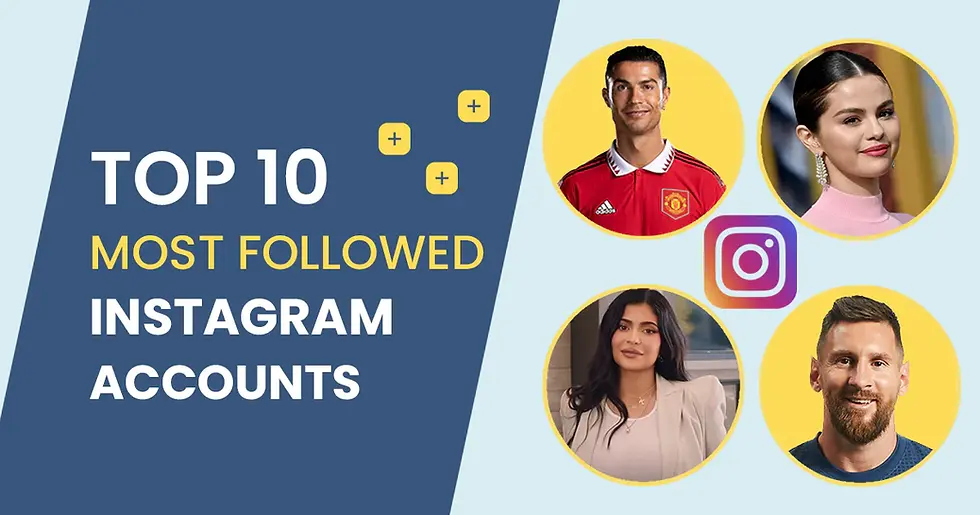
💡 Simply put: A creator is someone who makes content (videos, photos, articles, etc.) online and earns money from their audience. This includes influencers, streamers, bloggers, and more.
📱 WhatsApp Advertising

Meta (the parent company of Facebook) recently started placing ads in the "Updates" tab on WhatsApp. Your messages remain encrypted and private, but many users whisper, "Hey, this is my personal space!"
📌 For example: You’re chatting with a friend about an upcoming trip, and suddenly an ad for a travel package pops up.
For many, it feels like someone peeked through an unlocked door and said,
“Hey, interested in this travel deal?” — not a message meant for the crowd, but a targeted ad sent just for you.
🤖 AI — The Automated “Director” of Marketing
Starting in 2026, Meta plans to automate the entire advertising process — from creating ad content and selecting target audiences to budgeting — all powered by AI.
📌 Simply put: You just say, “We sell coffee,” and the AI will:
Write the post’s text
Design the visuals
Identify the target audience
Propose a budget
Launch the advertisement
For businesses, it’s like having an “extra hard drive for your brain.” But for consumers… the big question arises: “Am I choosing, or is AI choosing me?”
🕶️ AR — Experience Advertising Like Never Before
AR (Augmented Reality) is a technology that blends the virtual world with the real one.
📌 Examples:
Try on lipstick with your phone camera:
Without stepping into a store, you can instantly see how “red,” “pink,” or “nude” shades look on your face in real time. It’s like a Snapchat filter, but instead of fun effects like making your eyes bigger or adding sparkles, this one helps you try out actual products before buying.
Place furniture in your home before ordering:
Point your phone’s camera at your living room, and a virtual sofa appears on the screen. You can rotate it, change its color, and see how it fits with your existing decor — just like it’s really there!

What used to be something straight out of sci-fi movies is now a must-have marketing tool for brands.
💄 Personalized Marketing
In the beauty industry, Generative AI—which creates new content—is helping deliver “just for you” ads that generate 10–25% more profit.
💡 Example: If you’ve been searching only for burgundy lipstick on Instagram, your feed will start showing ads for that exact shade. It’s like the ads know your favorite brands, dream travel destinations, and hobbies—and tailor products just for you!
🕵️♂️ Transparency and New Regulations
Today, advertising platforms like Facebook, Instagram, and TikTok use algorithms to decide which ads to show you. But as a user, it’s almost impossible to understand why a specific ad was chosen for you.
“Explainable AI” means that the AI system can clearly explain how and why it made a particular decision — shedding light on the mystery behind those targeted ads.

This is a new regulation introduced by the European Digital Services Act (DSA), which came into effect in 2024 and applies to platforms.
This law places even greater emphasis on advertising transparency than the GDPR (the EU’s data protection regulation). Its goal is
to make online advertising more transparent and safer for consumers.
For example, when you see an ad, the platform must clearly show “This ad is based on the following information about you” — such as your previous searches, likes, location data, and more.

Now, marketing stands at a historic crossroads — the intersection of “Human-Centered” and “Technology-Centered” approaches. Over the next five years, we’ll all witness which side takes the lead.
In 2025, technology is using deeper, more “personalized” tactics to keep us glued to our screens.
The key difference? We’re no longer just passive consumers — we’ve learned the rules of the game, and it’s time to become active players ourselves.


Comments